


How to Hire an Event DJ in Hong Kong, Bangkok, Singapore or Kuala Lumpur
Finding the right DJ means listening to their mixes, checking their gear, and confirming they can handle MC duties and your venue type.
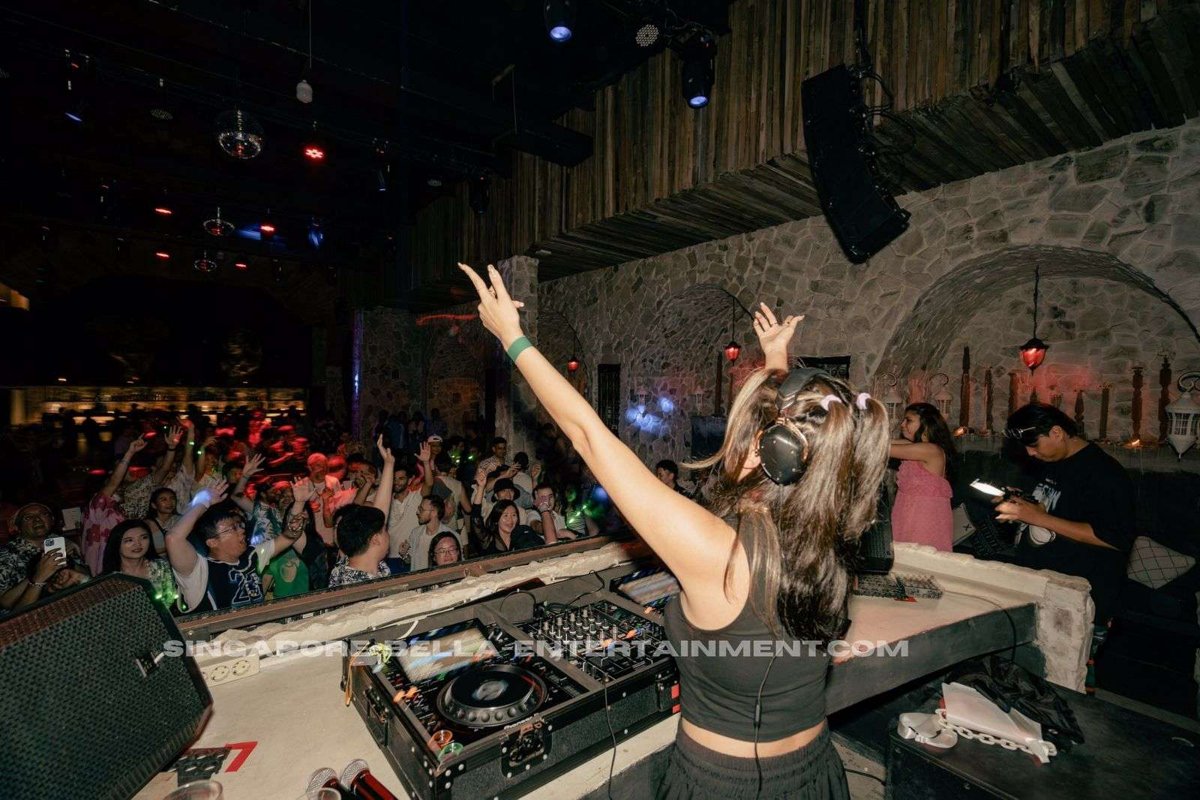
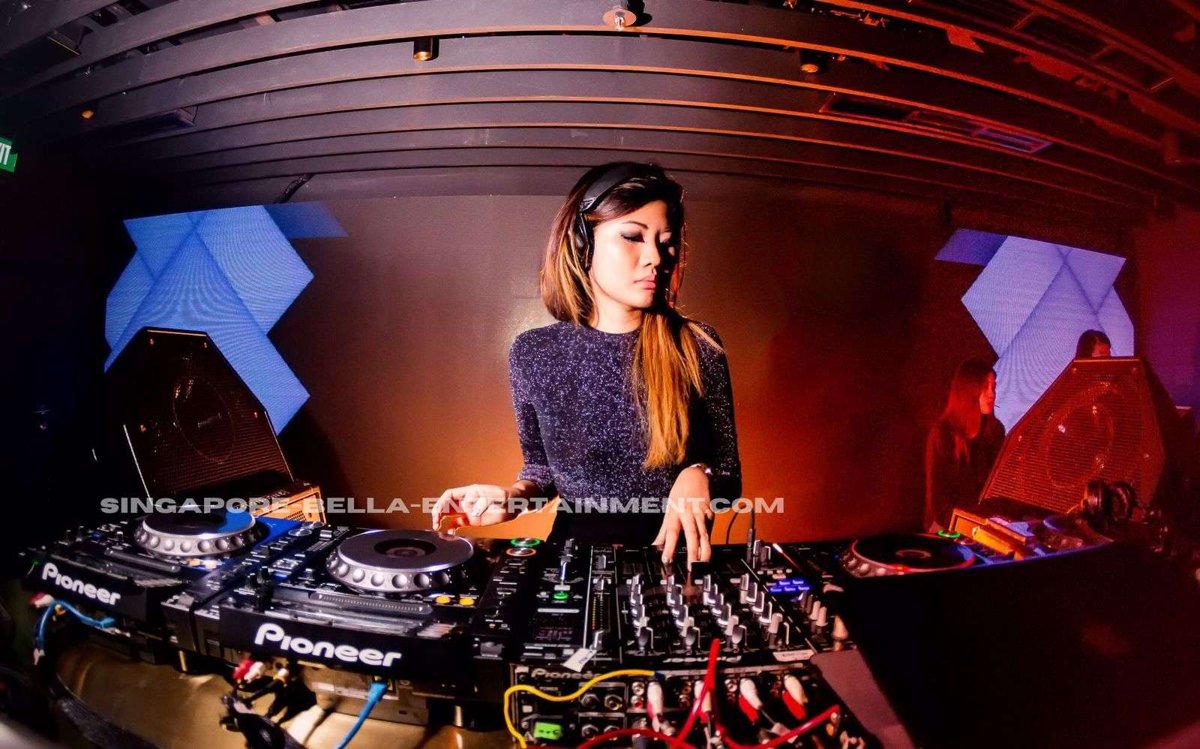
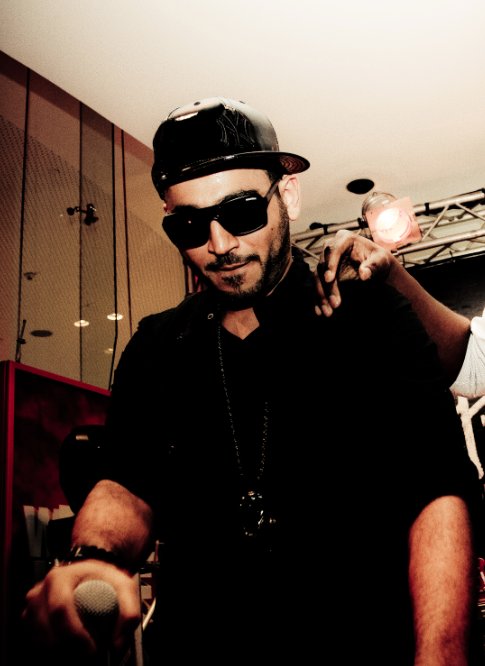


A professional event DJ in Hong Kong, Bangkok, Singapore or Kuala Lumpur costs between HKD 4,000 to 12,000 (or equivalent THB 15,000 to 45,000 in Bangkok) depending on event size, duration and whether MC duties are included. Book 2 to 4 weeks ahead. Listen to their recent mixes, ask about their sound system specs, confirm their experience with your venue type, and discuss your playlist direction before the event.
- What drives the cost of hiring a DJ
- How to assess a DJ from their mixes
- What gear to ask about
- MC skills and hosting duties
- Booking lead time and availability
- Venue-specific needs across the region
- Common mistakes to avoid
- FAQ
What drives the cost of hiring a DJ
Price is not fixed. It moves with event size, how long the DJ plays, whether they bring their own sound system, and if they handle MC work.
A small private birthday in a residential venue with 50 guests for 3 hours costs less than a wedding reception of 200 people across 5 hours with multiple announcements and ceremony music. A rooftop bar in Central or a Bangkok rooftop hotel ballroom will have different setup needs and therefore different quotes. A Sentosa garden party or a KLCC corporate lunch each brings its own technical demand.
Supply also affects price. If you are booking during Chinese New Year in Hong Kong, Songkran in Bangkok, or Hari Raya in Kuala Lumpur, good DJs book weeks in advance. Last-minute bookings cost more or become impossible.
Most agencies charge by the hour or by the event block. Some quote all-in with sound and lighting included. Others charge separately for equipment rental. Always ask what the base rate covers and what extras cost.
2. How to assess a DJ from their mixesHow to assess a DJ from their mixes
Every DJ will have a portfolio or YouTube clips. Listen actively. You are not judging taste. You are judging technique and reading.
A good mix has clear transitions. Songs do not cut abruptly. The DJ blends beats or lets one fade while the next builds. Energy arc matters: they do not play at one volume the whole night. A DJ who plays slow dinner music for the first hour, then shifts up for dancing, has read the room. One who starts full volume loses people at the table.
Ask specifically: What did you play at your last wedding in Hong Kong? What was the guest age range? What time of night was dancing? Listen to that set, not a club highlight reel. Club sets are not wedding sets. A DJ who only shows 90-minute peak-energy clips may not know how to pace a 5-hour reception.
Check for song selection range. If the mix never includes requests or goes outside a narrow genre, they may struggle when your guests want something different. A working DJ in this region books weddings, corporates, and private parties across multiple languages. They should prove they can move between Mandarin, Thai, English and Malay audiences.
Listen for remix and edit quality. Many venues in Singapore or Bangkok use radio edits of pop hits. Some DJs create tight radio edits themselves. Others use poorly compressed versions from unreliable sources that sound tinny through a good system. Quality matters especially in upscale hotel settings.
3. What gear to ask aboutWhat gear to ask about
This matters more than most people think. A talented DJ with poor equipment sounds worse than an average DJ with pro gear.
Start with the mixer. A professional uses CDJ or Pioneer DJ controllers that cost upward of USD 1,000 to 3,000. If they mention a "USB mixer" without naming the model, they are either learning or cutting corners. Ask the brand and model. A Pioneer DJM-900 or Denon MC7000 tells you they invested in quality. No name suggests they did not.
The speakers matter most. In a 400-person hotel ballroom in Bangkok or a Hong Kong harbour cruise, small powered speakers will not fill the space and will distort at volume. Professional systems use at least 2000W per side with subwoofers. For outdoor venues or Sentosa beach events, power requirement jumps again. A DJ who brings 500W speakers to a 200-person wedding will make excuses about acoustics. It is the gear.
| Venue type | Typical speaker power needed | Additional gear |
|---|---|---|
| Intimate private home (20-50 pax) | 500W to 1000W | Microphone for toasts |
| Hotel ballroom (100-300 pax) | 2000W to 4000W | Subwoofer, stage monitors |
| Rooftop bar or outdoor (100-200 pax) | 2000W to 3000W | Subwoofer, weather protection |
| Large wedding or corporate (300+ pax) | 4000W to 6000W plus | Multiple subwoofers, stage setup |
| Harbour cruise or river dinner boat | 1500W to 2500W | Compact setup, power backup |
Microphones for announcements and toasts are separate from the music system. Ask if the DJ provides a handheld and podium mic. Some agencies include them. Others charge HKD 500 to 1,500 extra. For a wedding, this is essential. For a cocktail party, maybe not.
Backups matter. What happens if a cable fails or a hard drive crashes? A pro DJ carries spare USB drives, backup laptop, and extra XLR cables. They should also discuss power: is there reliable 3-pin power at your venue, or do they need a generator for outdoor events in Phuket or Sentosa?
4. MC skills and hosting dutiesMC skills and hosting duties
Many event DJs also host. Not all do it well. Some freeze at a microphone. Others talk too much and kill the mood.
For a wedding, the DJ announces the first dance, toasts, the cake cut, and the final song. They introduce the groom and bride. They read energy: after an emotional speech, they might play something light before ramping up for dancing. An MC who gets this wrong creates awkward gaps or plays upbeat music during a eulogy.
For a corporate event, MC duties often mean introducing speakers, managing timing between segments, and keeping energy stable during presentations. A DJ comfortable doing this sounds natural, not robotic.
Ask: Have you hosted as MC at events like mine? Do you prepare remarks or ad-lib? Can you work with a script I provide? In Hong Kong or Singapore, will you work in English, Cantonese or Mandarin? In Bangkok, Thai and English? A multilingual DJ is valuable across the region.
A common mistake: assuming the DJ automatically handles all announcements. Some do, but expect extra cost if it is not part of your agreed scope. Clarify this before booking.
5. Booking lead time and availabilityBooking lead time and availability
Lead time is 2 to 4 weeks for most bookings in Hong Kong, Bangkok, Singapore and Kuala Lumpur. During peak periods, book earlier.
Peak periods vary by city and festival. In Hong Kong, Chinese New Year (typically January or February) is heavy. Every hotel ballroom, rooftop, and private space fills with events. The same applies to Lunar New Year celebrations in Singapore and Kuala Lumpur. In Bangkok, Songkran in mid-April sees wedding and party season spike. In Kuala Lumpur, Hari Raya in the Islamic calendar brings high demand.
Off-peak is easier. A July or September booking in Bangkok or Kuala Lumpur often gets your first choice of DJ and potentially better rates. Hong Kong rarely has a true off-season given the city's event calendar, but summer months are slightly quieter.
Confirm cancellation policy before paying a deposit. Most agencies hold a non-refundable deposit of 20 to 30 percent of the total quote. If you cancel within 2 weeks of the event, you forfeit the deposit plus a late cancellation fee.
6. Venue-specific needs across the regionVenue-specific needs across the region
Each city and venue type has quirks.
Hong Kong hotel ballrooms in Causeway Bay, Central or Mid-Levels usually have house sound systems. The DJ either uses their own setup (preferred by many) or plugs into the house system. Rooftop bars like those on Kowloon or the Island often have limited space and power. A compact, high-quality setup matters more than raw wattage. Victoria Harbour cruises and dinner boats have tight electrical supply and humidity. The DJ needs weather-sealed gear and a backup power plan.
Bangkok rooftop venues and hotel ballrooms near the BTS handle multiple events daily. Venue staff are used to DJ setups and usually cooperate. Chao Phraya river dinner cruises and floating restaurants require gear that handles salt spray and moisture. Outdoor garden venues near BITEC or in suburbs like Dusit may need a generator. The Bangkok event season runs year-round except for the hottest summer months (April-May).
Singapore venues from Marina Bay to Gardens by the Bay demand high technical standards. Sentosa venues, especially beaches and gardens, require weather protection and extended power cables. Most venues in Singapore are corporate or upscale, so sound quality and professionalism are non-negotiable.
Kuala Lumpur KLCC area hotels and convention centers have good power and AC. Outdoor venues near KLCC or in Selangor require more setup planning. Residential areas have noise limits, especially after 11 PM. Ask your DJ to check local rules before a late-night private event.
7. Common mistakes to avoidCommon mistakes to avoid
Mistake: Hiring based on price alone. The cheapest quote is often the cheapest because the DJ uses poor equipment or books too many events per week and is tired. You hear it in the music.
Mistake: Not mentioning your playlist direction. If you say "just play what you think," a DJ might play their favorite 90s Eurohouse or K-pop when your guests want Mandarin classics. Spend 10 minutes on the call telling them your musical leaning and any hard no-plays (some families request no secular music, some request no Cantonese, etc.). This saves awkwardness on the day.
Mistake: Assuming the DJ knows your venue. They might have worked 100 hotels but never your specific rooftop bar or boat. Ask them to visit beforehand or at least to call the venue and confirm power, space, and acoustics. This prevents last-minute surprises.
Mistake: Not confirming sound check time. A DJ needs 30 to 60 minutes to set up, test levels, and check microphones. If you book them to arrive 15 minutes before guests arrive, the event starts wrong. Always build in a 1-hour setup window before your first guest.
Mistake: Changing the song list day-of-event. A good DJ adapts, but massive last-minute requests cause stress. If you have special requests, mention them during the booking call or the day before, not 30 minutes before the event starts.
Frequently asked questions
How far in advance should I book an event DJ?
2 to 4 weeks is standard. For peak seasons (Chinese New Year in Hong Kong, Songkran in Bangkok, Hari Raya in Kuala Lumpur, Lunar New Year in Singapore), book 6 to 8 weeks ahead. For off-peak dates, 1 to 2 weeks is often acceptable, but you have fewer choices.
Can I request specific songs or genres?
Yes. Tell the DJ your musical direction, any must-play songs, and any genres or songs to avoid. A professional DJ asks about this during the booking call. Provide a small list (5 to 10 songs) of must-plays for key moments like the first dance at a wedding. Do not send a 200-song rigid playlist. It removes the DJ's ability to read the room and adapt.
What if the DJ cancels close to my event?
Ask the agency's backup policy before booking. Reputable agencies have a on-call replacement DJ or a partner they can deploy. Confirm this in writing. If a DJ cancels with no backup, you have grounds for a refund plus compensation, depending on your contract.
Do I need to provide a microphone or sound system, or does the DJ bring everything?
Most professional DJs bring their own mixer, speakers and microphones. Some venues have built-in sound systems, and the DJ can use those or bring their own gear for better quality. Confirm this with the DJ and venue during planning. Never assume.
What is the difference between a club DJ and an event DJ?
Club DJs play peak-energy sets for dancing in a loud environment. Event DJs pace the whole night, read different energy levels, host announcements, and adapt to mixed age groups and preferences. Some DJs do both. Most are better at one or the other. Always ask for examples of their event work, not just club videos.
How much does a professional event DJ cost?
Rates vary by city and event scope. In Hong Kong, expect HKD 4,000 to 12,000 for a 4-hour event, depending on whether sound is included and guest count. In Bangkok, THB 15,000 to 45,000 for similar scope. In Singapore and Kuala Lumpur, SGD 600 to 2,000 and MYR 2,000 to 6,000 respectively. These are guide ranges. Always request a formal quote for your specific event date, venue and requirements.
When you are ready to book, our DJs are experienced across Hong Kong, Bangkok and Singapore corporate and wedding events. We also offer party DJs in Bangkok and corporate entertainment across Asia. Send us your event date, city, venue name and guest count on WhatsApp +65 9428 4249 or submit an inquiry at https://southeastasiaentertainment.com/contact-us/ and we will send a detailed quote within 24 hours.
See also: Emcee for Hire in Kuala Lumpur: Rates and How to Book.
